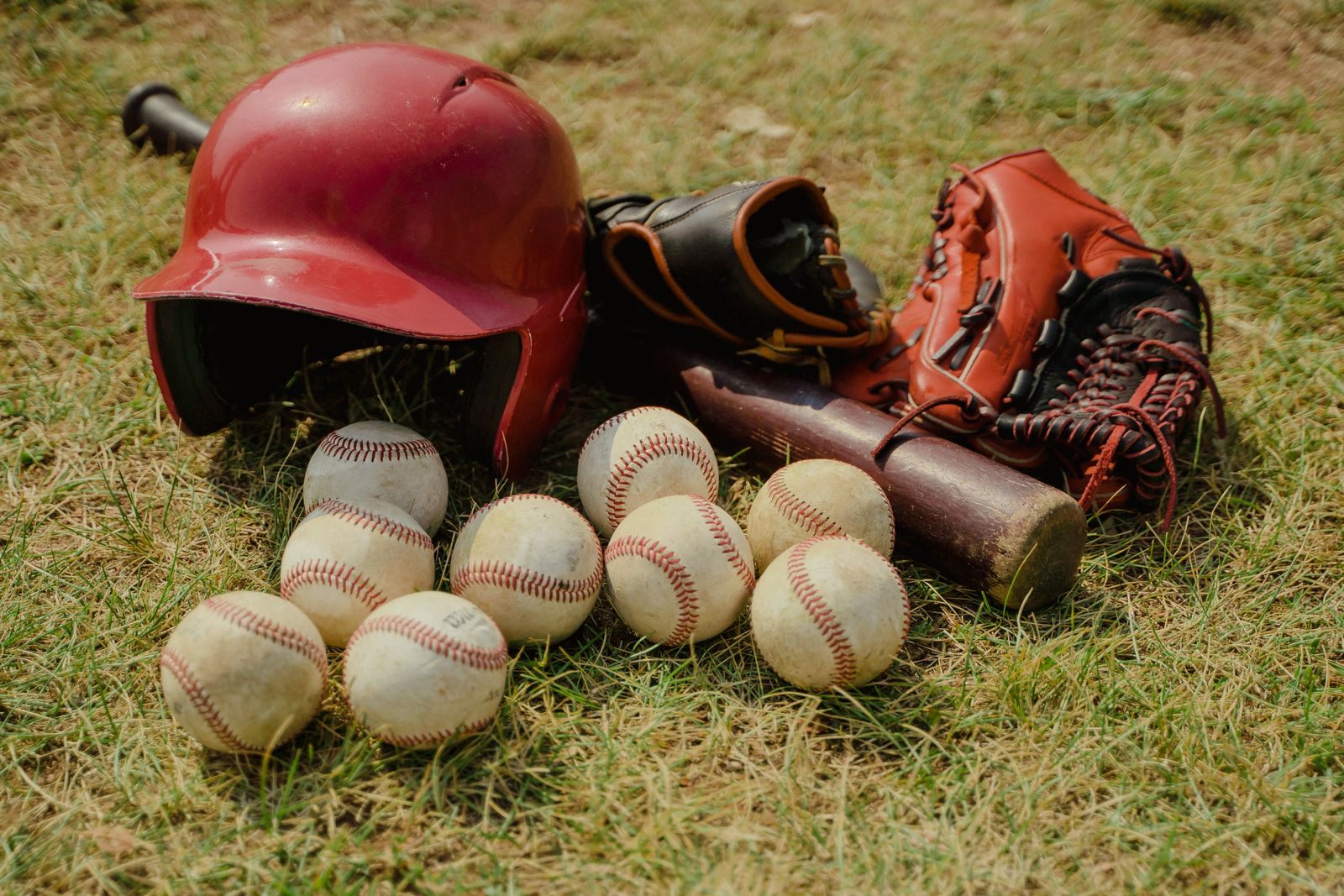
Baseball Equipment, Position by Position
What every player needs, what is legal in your league, and what fits — from tee ball to high school.
See the Full Gear ListBaseball Equipment, Sorted by Who Is Playing
Shopping for baseball equipment gets confusing fast: bats carry three or four different stamps, gloves come in a dozen sizes, and a seven-year-old in tee ball needs very different gear from a high school catcher. This site sorts it out the way coaches do — by position and by age — so you buy what the player needs this season and nothing they will outgrow before it is broken in.
We are an independent guide. We do not sell gear, we do not rank brands and we do not quote prices, because prices change weekly and every major maker produces good and bad models. What we can do is explain the rules that decide what is legal, the measurements that decide what fits, and the questions to ask at the counter. Where a rule matters, we link to the body that writes it: USA Baseball for bats, NOCSAE for helmets and chest protectors, and the league rulebooks for cleats.
The complete gear list
Every item a player needs, split into must-haves, position extras and nice-to-haves, from tee ball to high school.
Bat rules explained
USABat, USSSA, BBCOR and the new USA BBCOR mark — plus the 2028 high school change.
Glove sizing
How gloves are measured, the usual size ranges by position and age, and how to break one in.
Helmets and catcher’s gear
What the NOCSAE mark means, when helmets need recertifying, and the full catcher’s kit.
Gear for kids
Tee ball, coach pitch and Little League: what young players need and what can wait.
Bags, cleats and care
Choosing a baseball equipment bag, cleat rules by age, and keeping leather and helmets in shape.
The Short Baseball Equipment List
If you only read one section, read this. Every player, at every level, needs these items before the first practice:
- Glove sized for the player’s age and main position.
- Bat carrying the certification mark your league requires.
- Batting helmet with the NOCSAE mark, fitted snugly.
- Cleats that match the league’s metal-or-molded rule.
- Pants, belt and socks in team colors, plus sliding shorts if wanted.
- Athletic cup for boys, and essential for catchers and infielders.
- Water bottle and a bag to carry it all.
The full baseball equipment list adds what each position needs on top.
What “Best Baseball Equipment” Really Means
Search for the best baseball equipment and you will find endless top-ten lists. Most of them rank by price or by what sold last spring. A better test has three parts:
| Test | Why it matters | How to check |
|---|---|---|
| Is it legal? | An unapproved bat can be pulled from a game, and some leagues penalize the batter. | Match the mark on the bat to your league’s standard; check the approved and decertified lists. |
| Does it fit now? | Oversized gloves and heavy bats slow young players down and build bad habits. | Size gloves by age and position, and choose a bat length and weight the player can swing level. |
| Is it certified? | Helmets and catcher’s chest protectors are safety gear, not fashion. | Look for the NOCSAE mark and a recertification label on older helmets. |
Once gear passes those three tests, the remaining differences — leather grade, color, the feel of a particular bat — are personal preference. That is where trying gear in person helps most, which is why we have a page on finding baseball equipment near me.
Gear by Position at a Glance
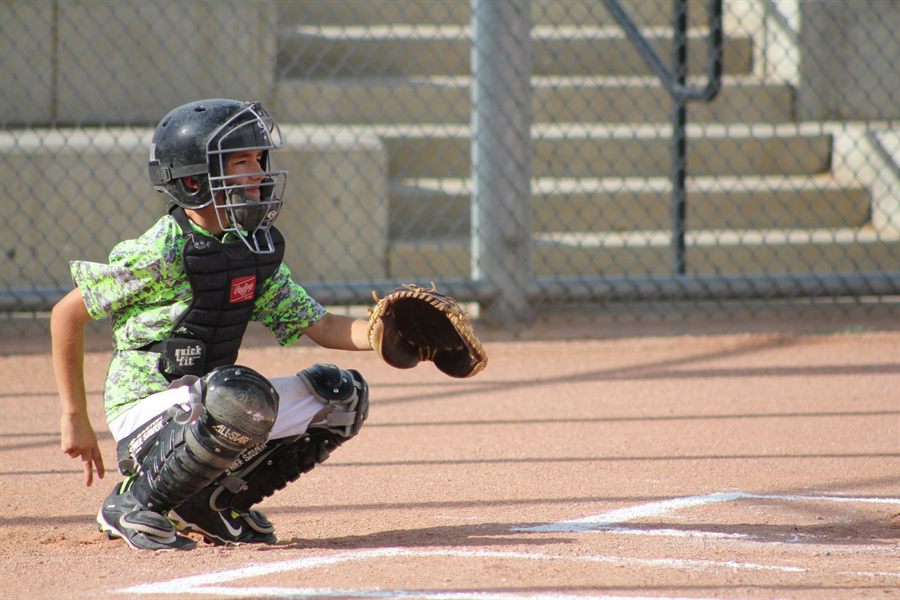
Catchers
Helmet with face mask and throat guard, chest protector, shin guards, a catcher’s mitt and a cup. The most gear on the field.
Catcher’s gear →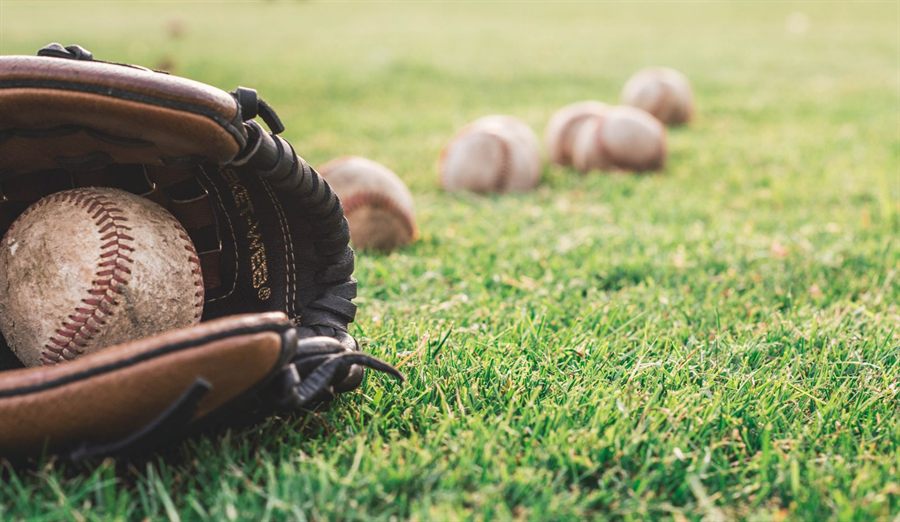
Infield and outfield
Shorter, shallow gloves for quick transfers in the infield; longer, deeper gloves for catching fly balls in the outfield.
Glove sizes →
Every position
Cleats that suit the league rule, a helmet for every trip to the plate, and a bag that keeps it all together.
Bags and cleats →Why the Rules Keep Changing
Baseball equipment rules are not static. USA Baseball has taken over the BBCOR standard and created a new USA BBCOR mark, and high school rules are widening from 2028 to allow lighter USABat models alongside BBCOR bats. Helmet and chest-protector standards are reviewed by NOCSAE, and individual leagues update cleat and face-guard rules most years. Before you buy anything expensive, read the current rulebook for your league and age group — or ask the league’s equipment manager, who fields the same questions every spring.
Our bat rules page summarizes the current standards with links to the official FAQs, so you can confirm the details yourself.
Quick Answers
What baseball equipment does a beginner actually need?
A glove that fits, a league-legal bat, a batting helmet with the NOCSAE mark, baseball cleats or sneakers allowed by the league, baseball pants, a cup for boys, and a water bottle. Catchers need more, but leagues often lend catcher’s gear to younger teams.
Is the most expensive gear the best baseball equipment?
Not usually. The best baseball equipment is the gear that is legal in your league and fits the player today. A correctly sized glove and a bat the player can control will do more for a young hitter than a premium model that is too big.
How do I know if a bat is legal in my league?
Find out which standard your league uses (USABat, USSSA or BBCOR / USA BBCOR), then look for that mark printed permanently on the bat and check it against the approved and decertified lists on USABat.com.
Start With the Full Gear List
Work through the complete baseball equipment list by position and age before you shop, so nothing is missed and nothing is bought twice.
Open the Gear List