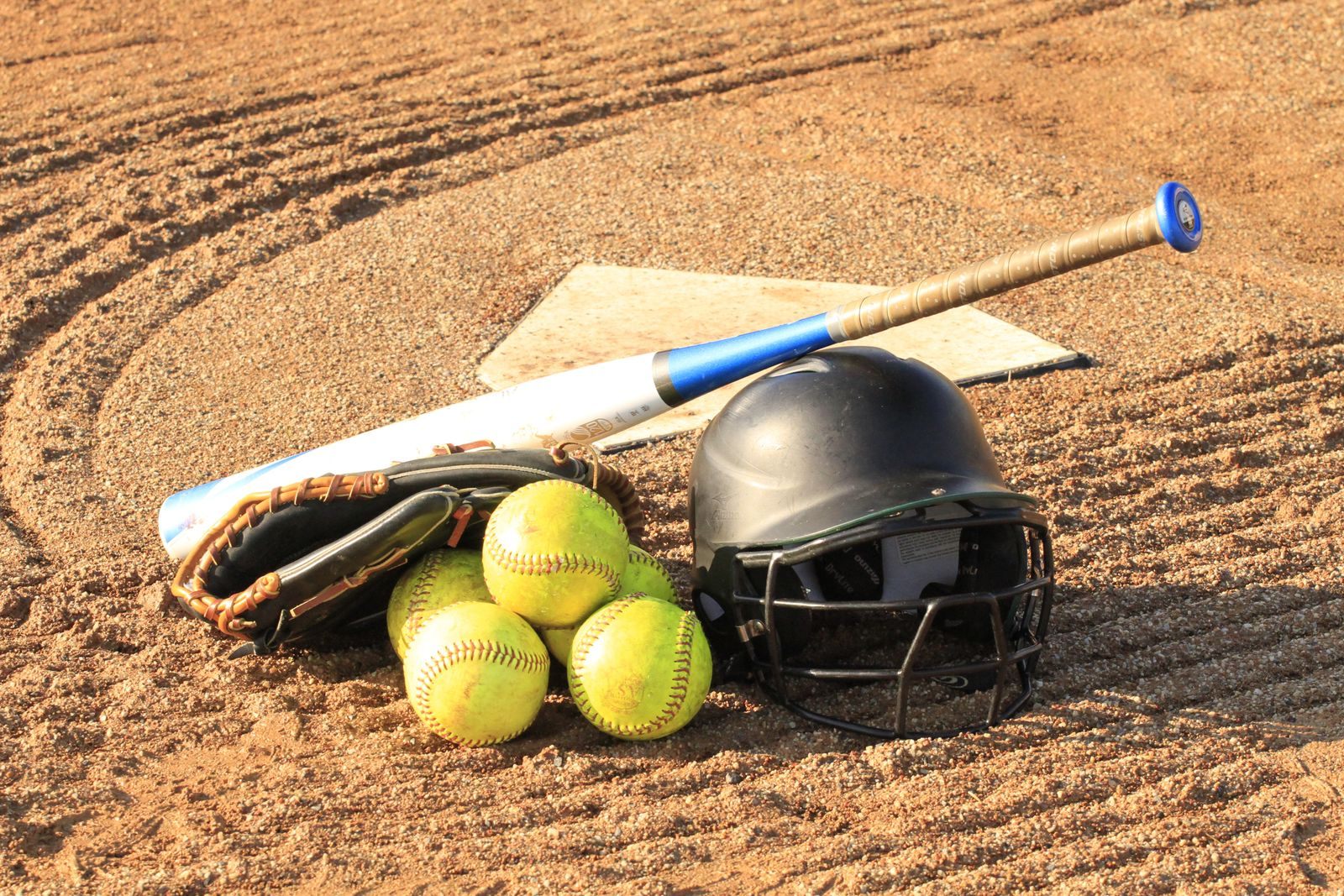
Baseball Equipment Bags, Cleats and Care
Carry it well, cleat it legally, and make your gear last more than one season.
Shop LocallyA good baseball equipment bag does more than carry gear. It keeps bats from rattling against helmets, gives wet cleats their own space and stops gloves from being crushed. Pair it with a few care habits and your gear lasts several seasons.
Choosing a Baseball Equipment Bag
| Style | Best for | Watch for |
|---|---|---|
| Backpack | Young players and anyone who walks or bikes to the field | Bat sleeves that fit the bat length you own; a helmet hook or strap |
| Duffel | Older players with two or three bats and extra clothes | A ventilated shoe pocket and sturdy shoulder strap |
| Roller (wheeled) | Catchers and players carrying a full kit | Wheels that handle grass and gravel; a fence hook |
| Team or coach bag | Shared helmets, balls and catcher’s gear | Large main compartment and strong zippers |
- Separate wet and dirty items from leather gloves.
- Bat sleeves should match your bat’s length and barrel size.
- A fence hook keeps the bag off the dugout floor.
Cleats: Metal or Molded?
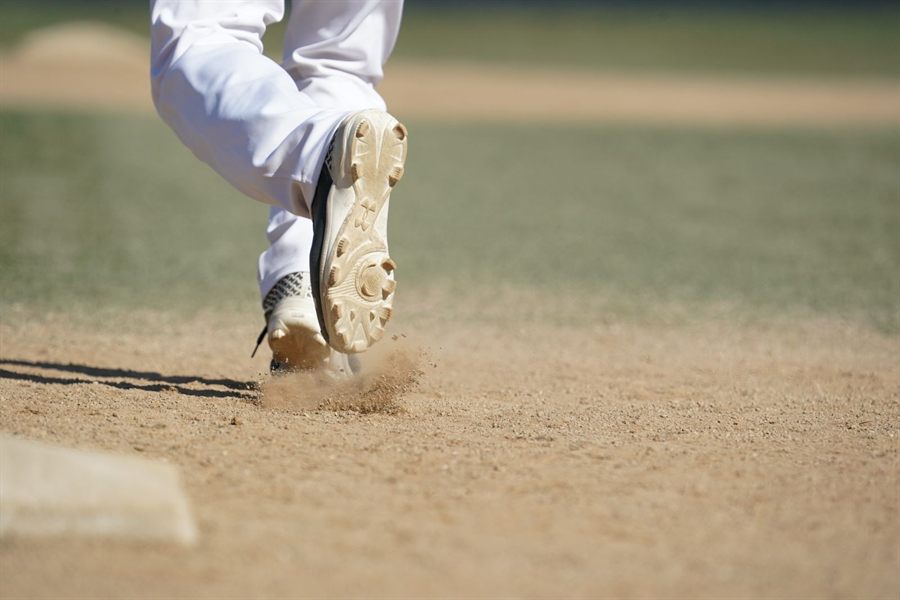
Baseball cleats come with molded rubber or plastic studs, or with metal spikes. Molded cleats are allowed nearly everywhere and are the usual choice for younger players. Metal spikes grip better on dirt but are restricted in many youth divisions — for example, Little League’s cleat rule prohibits them in the Major Division and below.
Turf shoes with small rubber nubs are useful for practice on artificial surfaces and for coaches. Whatever style you choose, try cleats on with baseball socks and leave a little room at the toe.
Gear Care Through the Season
Gloves
Wipe off dirt, condition lightly when dry, store closed around a ball at room temperature.
Bats
Keep out of extreme heat and cold; retire any composite bat with a crack or rattle.
Helmets
Clean pads with mild soap, check for cracks, and follow the maker’s recertification instructions.
Catcher’s gear
Air it out after every game and wash removable pads to prevent odor.
Cleats
Knock off mud, dry at room temperature and replace when studs wear down.
The bag
Empty it weekly; damp gear left zipped up breeds mildew.
At the end of the season, clean everything, let it dry fully and store it indoors. It is also the best moment to check what still fits, so next spring’s shopping list is ready before registration opens.
Frequently Asked Questions
What size baseball equipment bag do I need?
Count what goes in it. A young player with a glove, helmet and one bat is fine with a backpack-style bag. A catcher or an older player with several bats usually needs a larger duffel or roller bag.
Are metal cleats allowed?
It depends on the league and age. Little League does not permit metal spikes in the Major Division and below, but permits them in Intermediate 50/70, Junior and Senior divisions. High school rules generally allow them; check your association.
Find a Local Sporting Goods Store
Try bags and cleats on in person. Search local businesses across the country.
Find Local Businesses