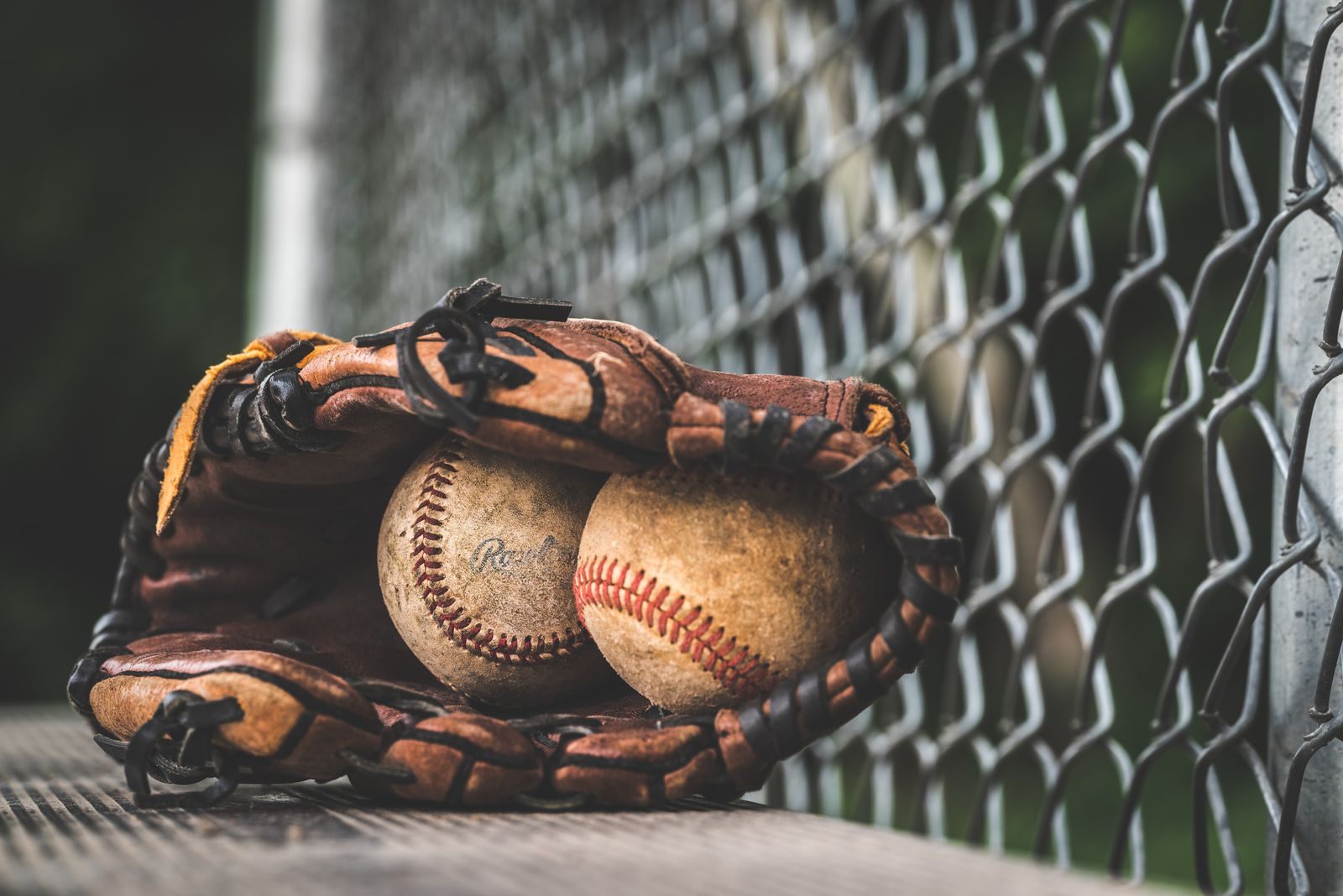
Baseball Glove Sizes by Age and Position
How gloves are measured, the usual size ranges, and how to break one in properly.
Try Gloves LocallyA glove is the most personal piece of baseball equipment. The right size depends on two things: how big the player’s hand is and where they play. Size charts differ a little from maker to maker, so treat the ranges below as a starting point and confirm by trying gloves on.
Typical Glove Sizes by Age and Position
| Player | Typical size range | Notes |
|---|---|---|
| Tee ball (about 4-6) | About 9 to 10.5 inches | Soft, easy-closing youth gloves |
| Young youth (about 7-9) | About 10 to 11 inches | Still a youth pattern; avoid stiff leather |
| Older youth (about 10-13) | About 11 to 12 inches | Position starts to matter |
| Teen/adult middle infield | About 11 to 11.75 inches | Shallow pocket for quick transfers |
| Teen/adult third base | About 11.5 to 12 inches | A little longer for hard-hit balls |
| Teen/adult pitcher | About 11.5 to 12.5 inches | Closed web hides the grip |
| Teen/adult outfield | About 12.25 to 12.75 inches | Longer and deeper for fly balls |
| First base mitt | Usually 12 inches and up | No individual finger stalls; built to scoop |
| Catcher’s mitt | Measured by circumference, roughly 30 to 34 inches and up | Heavy padding; youth mitts are smaller |
Webs, Pockets and Fit
- Open webs (I-web, H-web) are popular with infielders and outfielders and let dirt fall through.
- Closed webs (basket, two-piece closed) suit pitchers and give a deeper pocket.
- Hand fit: the fingers should reach near the ends of the stalls, and the wrist strap should close snugly.
- Throwing hand: a right-handed thrower wears the glove on the left hand. Gloves are sold by throwing hand, so check the label.
Breaking In and Caring for a Glove
The quickest and safest way to break in a glove is to use it: play catch every day and close the glove around a ball when you put it away. Use a small amount of a leather conditioner made for gloves when the leather looks dry, and wipe off dirt after games.
- Avoid ovens, microwaves and soaking the glove in water — heat and water can dry out leather and break down laces.
- Store the glove at room temperature, out of a hot car trunk.
- Re-lace when a lace frays rather than waiting for it to snap mid-game.
- Keep one glove per position rather than stretching one glove to fit every role.
Frequently Asked Questions
How is a baseball glove measured?
Fielding gloves are measured from the tip of the index finger, down the palm, to the heel of the glove. Catcher’s mitts are measured around the circumference instead, which is why their numbers are much larger.
Should a child get a glove to grow into?
No. A glove that is too big is hard to close and makes catching harder. Buy for the player’s hand now; youth gloves are made to close easily.
How long does it take to break in a glove?
It depends on the leather. Softer youth gloves may be game-ready almost immediately; stiffer adult leather can take weeks of regular catching. Playing catch is the best method.
Try Gloves On Before You Buy
Glove fit is easiest to judge in person. Find sporting goods stores and local businesses near you.
Find Local Businesses