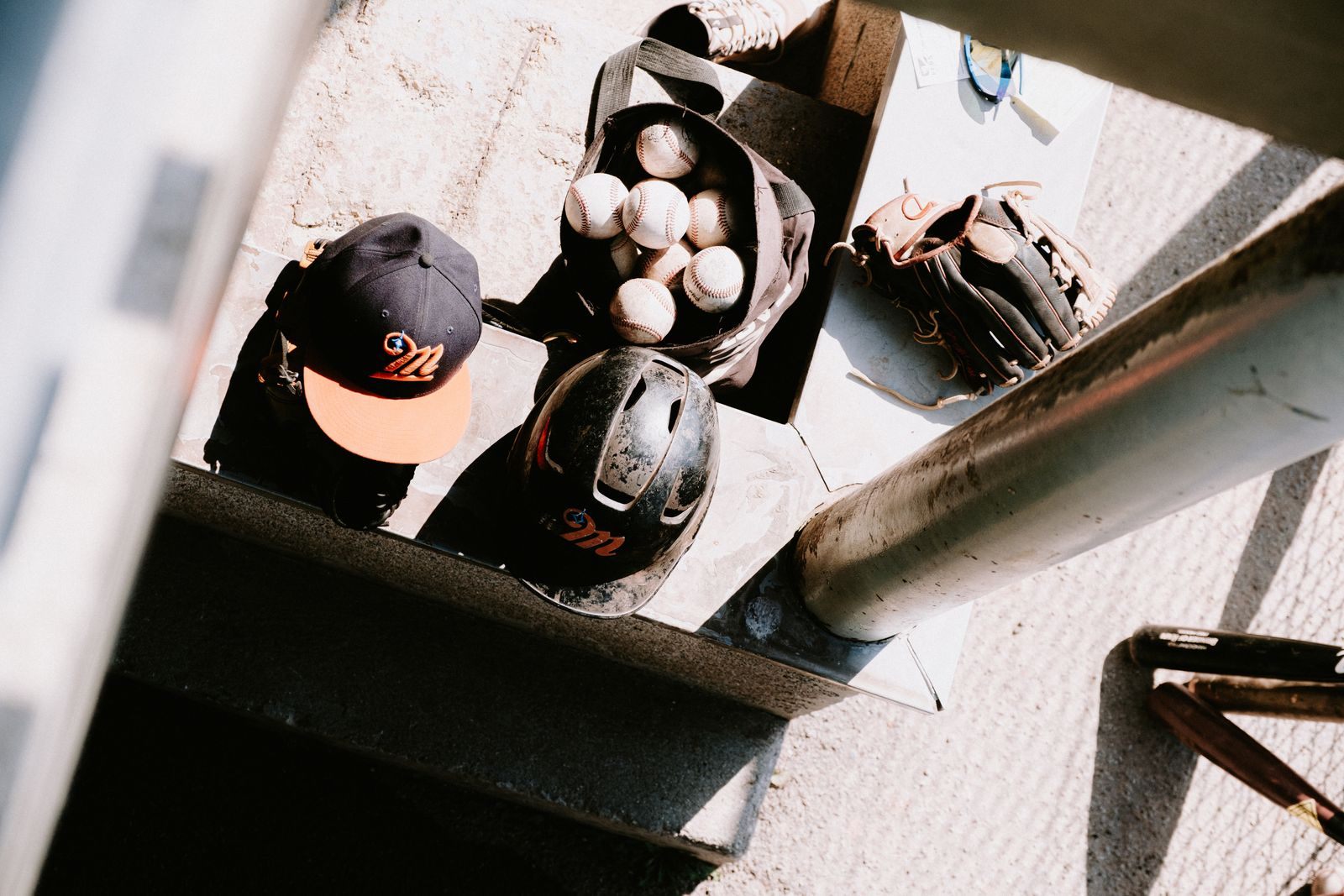
The Complete Baseball Equipment List
Must-haves for everyone, extras by position, and what changes as players get older.
Check Bat RulesThis baseball equipment list is organized the way a team actually works: what every player needs, what each position adds, and what can wait. Print it, tick it off, and take it with you when you shop.
Everyone on the Roster
| Item | Notes |
|---|---|
| Glove | Sized for age and main position. Utility players usually choose an infield-style glove. |
| Bat | Must carry the mark your league requires. Teams often share bats, so ask before buying one for a young player. |
| Batting helmet | NOCSAE-certified. Many teams supply helmets, but your own fits better and is more hygienic. |
| Cleats | Molded cleats work in every league; metal spikes only where the rules allow. |
| Baseball pants and belt | Team color rules vary; reinforced knees last longer for players who slide. |
| Socks and sliding shorts | Sliding shorts with a cup pocket double as a cup holder for boys. |
| Athletic cup | Recommended for all boys and required for catchers in many rulebooks. |
| Batting gloves | Optional but popular; they improve grip and reduce blisters. |
| Water bottle and sunscreen | Summer doubleheaders are long. |
| Bag | A backpack-style or roller baseball equipment bag sized to the player’s kit. |
Extras by Position
Catcher
Catcher’s helmet or mask with throat guard, chest protector, shin guards, catcher’s mitt, cup. See catcher’s gear.
First base
A first baseman’s mitt: long, rounded and without individual finger stalls, built for scooping throws.
Middle infield
A shallow-pocket glove at the smaller end of the range for fast transfers to the throwing hand.
Third base
A slightly larger, sturdier infield glove; some players add a protective face guard on the helmet.
Outfield
A longer glove with a deep pocket, plus sunglasses for day games.
Pitcher
A glove with a closed web so batters cannot see the grip. Some leagues limit glove colors for pitchers.
Extras by Age
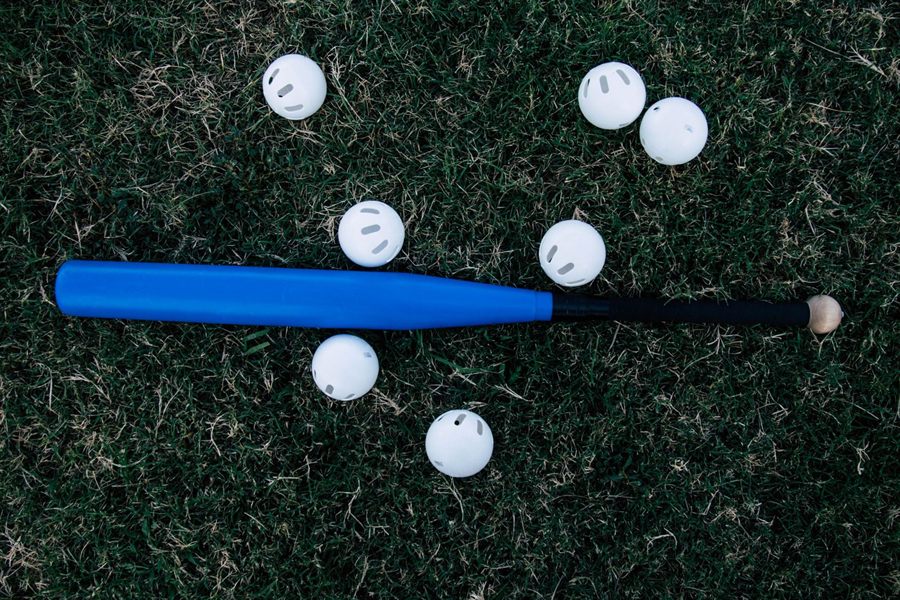
- Tee ball (about 4-6): a small glove, a tee ball bat marked for approved tee balls, a helmet and sneakers or molded cleats.
- Coach and kid pitch (about 7-10): a youth USABat, a properly sized glove, batting gloves if wanted, cup for boys.
- Upper youth (about 11-13): position-specific gloves, USABat or USSSA bats depending on league, molded cleats.
- Teen and high school: BBCOR or USA BBCOR bats (and USABat -4/-5/-6 from 2028), metal cleats where allowed, a full catcher’s kit if catching.
Ages are rough guides; leagues set divisions differently. Our baseball equipment for kids page goes deeper on the younger groups.
Nice to Have, Not Essential
- A batting tee and practice net for home swings.
- A pitching target or rebounder for solo throwing practice.
- Arm sleeves, elbow guards and shin guards for batters — check whether your league permits them.
- Eye black, a bat grip tape roll and a glove conditioner.
- A second glove for a different position once the player is older and settled in it.
None of these will make or break a season. Spend first on the items that touch safety and fit: the helmet, the glove and the bat.
Check Bat Rules Before You Buy
The bat is the item most often bought wrong. Read the bat standards first, then return to this list.
Read the Bat Rules